
Website Speed Optimization: Complete Practical Guide (2026)
Website speed optimization is no longer optional. It directly affects search rankings, user experience, conversions, and long-term growth. A slow website loses visitors, trust, and revenue — even if the content is excellent.
This guide explains website speed optimization from a practical, real-world perspective, focusing on what actually works, why it works, and how to apply it correctly — especially for WordPress websites.
To understand how Google evaluates performance, you should also learn about Core Web Vitals.
Whether you run a blog, business site, or content-heavy platform, this guide will serve as your central reference for website performance optimization.
Table of Contents
What is Website Speed Optimization?
Website speed optimization is the process of improving how fast a website loads, renders, and becomes usable for real users.
It is not just about scores in testing tools. True speed optimization focuses on:
- Faster visible content loading
- Faster user interaction
- Stable layout with no unexpected shifts
- Consistent performance across devices and locations
Website speed is influenced by frontend elements, backend infrastructure, and how efficiently resources are delivered to users.
Why Website Speed Matters for SEO and Users
Website speed impacts almost every critical success metric.
From an SEO perspective:
- Google uses page experience and Core Web Vitals as ranking signals
- Faster pages are crawled more efficiently
- Slow websites struggle to maintain stable rankings
From a user perspective:
- Slow loading increases bounce rate
- Users trust fast websites more
- Conversion rates drop sharply with every extra second of delay
In short, a fast website ranks better, converts better, and scales better.
How Google Measures Website Speed

Google does not evaluate speed based on a single number. It measures real-world performance using multiple metrics.
Key measurements include:
- Largest Contentful Paint (LCP): How fast main content loads
- Interaction to Next Paint (INP): How responsive the page feels
- Cumulative Layout Shift (CLS): Visual stability during loading
- Time to First Byte (TTFB): Server response speed
These metrics are explained in detail in our Core Web Vitals optimization guide.
These metrics together determine how users actually experience your website, not just how it performs in lab tests.
How to Test Website Speed Correctly
Website speed testing must be done with context and understanding.
Commonly used tools include:
- PageSpeed Insights
- GTmetrix
- Lighthouse
Important principles:
- Always test multiple pages, not just the homepage
- Compare mobile and desktop results separately
- Focus on field data when available
- Avoid chasing perfect scores at the cost of real usability
Speed testing tools are diagnostic tools, not performance goals.
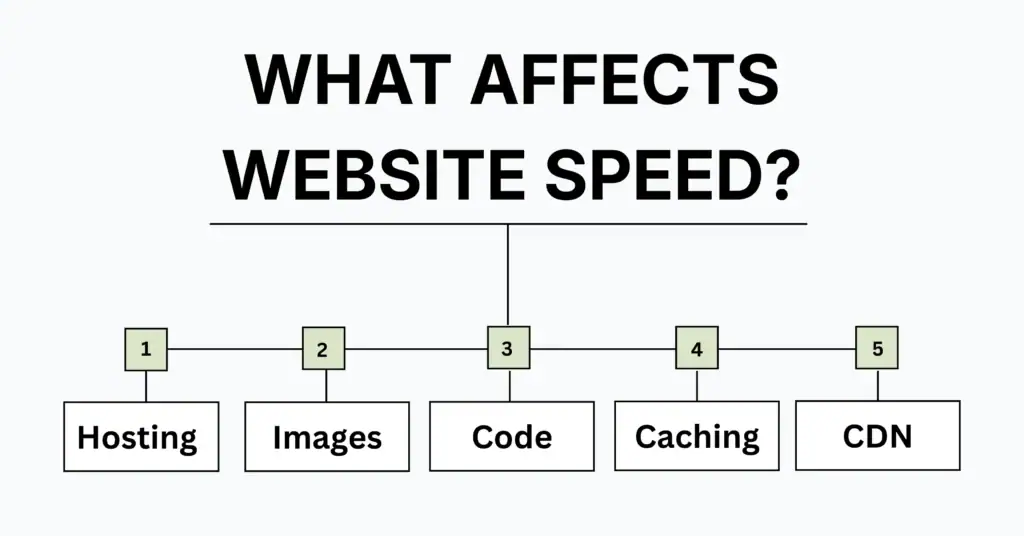
Key Factors That Slow Down a Website
Web Hosting and Server Performance
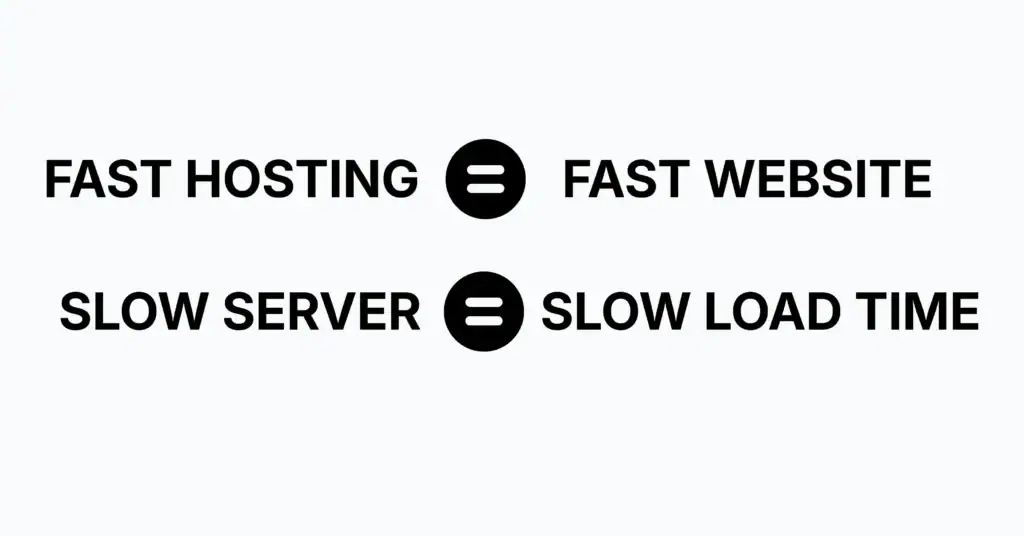
Your hosting environment forms the foundation of website speed.
Speed is affected by:
- Server quality and resource limits
- Hosting type (shared, VPS, cloud)
- Server location relative to visitors
- PHP version and server-level caching
A poorly configured server cannot be fixed by plugins alone.
Your hosting setup directly impacts performance. Read our detailed guide on hosting speed impact.
For reliable performance, we recommend using Bluehost (affiliate link, no extra cost to you)
For budget-friendly hosting, you can also consider Hostinger. (affiliate link, no extra cost to you)
Caching and Content Delivery
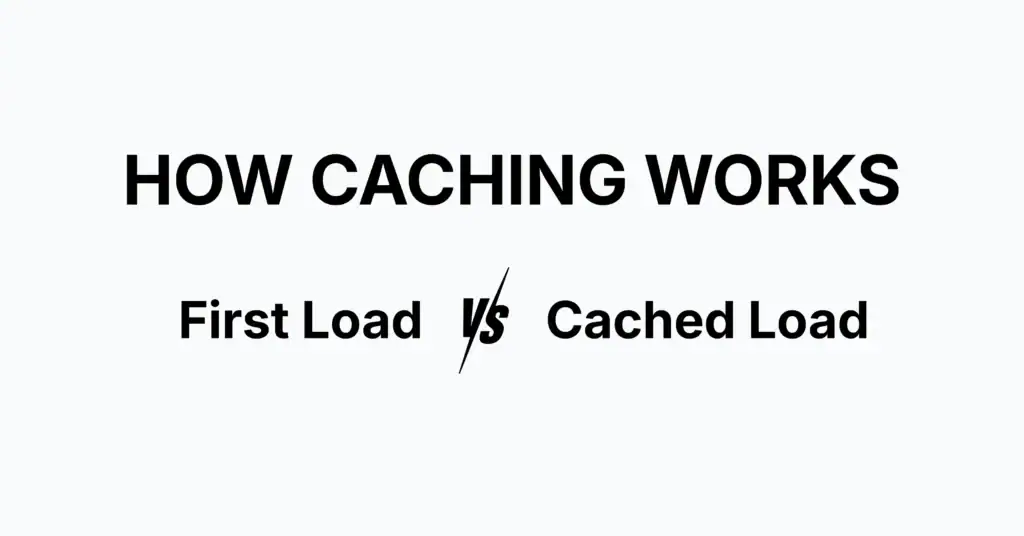
Caching reduces the need to process the same requests repeatedly.
Effective caching includes:
- Browser caching
- Page caching
- Object caching
- Server-level caching
When caching is done correctly, page load time drops dramatically while server load decreases. Learn how caching works and how to implement it correctly in our caching guide.
Images and Media Files

Images are often the largest contributors to page size.
Common problems include:
- Oversized images
- Incorrect formats
- Missing lazy loading
- Excessive media usage
Optimizing images alone can significantly improve loading speed without affecting design quality.
CSS and JavaScript Issues
Unoptimized code is one of the most common speed bottlenecks.
Typical issues:
- Render-blocking CSS
- Unused CSS and JavaScript
- Excessive third-party scripts
- Poor script loading order
Cleaning unused code is critical. Learn how to remove unused CSS and JavaScript.
Content Delivery Networks (CDNs)
A CDN distributes website assets across global servers, delivering content from the nearest location to the user.
CDNs help by:
- Reducing latency
- Improving global performance
- Lowering server load
- Enhancing reliability during traffic spikes
For traffic beyond a single region, a CDN becomes essential.
Website Speed Optimization for WordPress
WordPress performance depends heavily on configuration choices.
Key areas that affect WordPress speed:
- Theme quality and code structure
- Plugin selection and quantity
- Database optimization
- Page builders and dynamic content
- Update and maintenance practices
WordPress can be extremely fast when built with performance in mind — or extremely slow when mismanaged.
Advanced Website Speed Optimization Techniques
Beyond basic optimization, advanced techniques offer further gains.
These include:
- HTTP/3 and modern protocols
- Brotli compression
- Critical CSS generation
- Resource preloading and prefetching
- Edge caching
- Server-side optimizations
Advanced optimization should be applied carefully and tested thoroughly to avoid instability.
Common Website Speed Optimization Mistakes
Many websites fail due to incorrect optimization practices.
Common mistakes include:
- Installing too many performance plugins
- Blindly following test tool suggestions
- Over-optimizing without understanding impact
- Ignoring real user experience
- Neglecting long-term maintenance
True optimization is systematic, not experimental. Ongoing maintenance is essential for consistent website performance.
Website Speed Optimization Checklist
Use this checklist as a quick reference:
- Fast, reliable hosting
- Server-level caching enabled
- Optimized images and media
- Clean and efficient CSS/JS
- CDN configured correctly
- Minimal plugins and scripts
- Regular performance testing
- Ongoing maintenance and updates
Each item contributes to sustainable performance gains.
For a structured SEO strategy, follow our SEO fundamentals guide.
Maintaining Website Speed Long Term
Speed optimization is not a one-time task.
Long-term performance requires:
- Regular audits
- Monitoring Core Web Vitals
- Plugin and theme reviews
- Database cleanup
- Scalability planning
Websites that maintain speed consistently outperform competitors over time.
Explore our in-depth guides on:
- Core Web Vitals optimization
- WordPress speed optimization
- Image and media optimization
- Best hosting for performance

Final Thoughts
Website speed optimization is a strategic advantage, not just a technical task.
When done correctly, it:
- Improves SEO visibility
- Enhances user trust
- Increases conversions
- Supports long-term growth
This guide serves as the central hub for performance optimization on SmartSolutionSite. Each section connects to in-depth resources that explore individual topics in detail, allowing you to build a fast, stable, and future-proof website.